
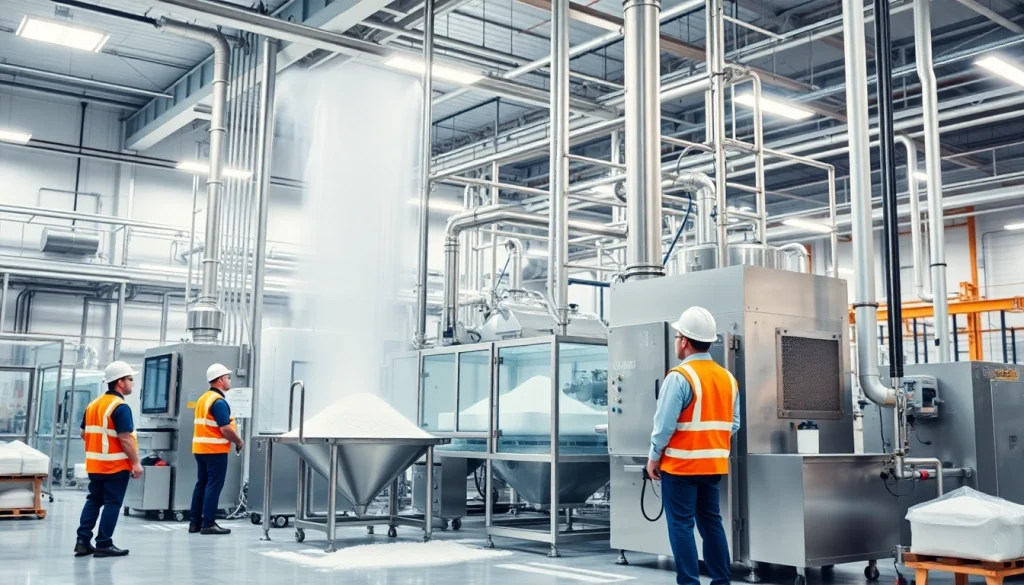
Understanding the Sweetener Factory: A Comprehensive Overview
In recent years, the food industry has seen a significant shift towards the use of sweeteners, not just for their ability to sweeten products, but also due to their specialized functionalities, such as enhancing flavor and providing texture. The sweetener factory serves as a vital hub for the production of a variety of sweetening agents, greatly impacting how consumers experience flavor. This article delves into the essential components and future trends surrounding sweetener manufacturing.
The Role of Sweeteners in the Food Industry
Sweeteners play a fundamental role in the food and beverage sector. They not only provide the sweetness expected by consumers but also enhance food appeal and mask undesirable flavors. The global demand for sweeteners is largely driven by the growing trend for healthier eating, where consumers are increasingly seeking lower-calorie options without compromising taste. Sweeteners often substitute sugar in various products, leading to lower caloric content while maintaining flavor integrity.
Key Components of a Sweetener Factory
A sweetener factory comprises various critical components that contribute to the efficient production of sweetening agents. These components include:
- Processing Equipment: Machinery such as extractors, evaporators, and crystallizers that play a vital role in transforming raw materials into final sweeteners.
- Laboratory Facilities: Testing and development laboratories that ensure quality control and innovation in sweetener formulations.
- Storage and Distribution: Facilities for storing raw ingredients and finished products, ensuring they are kept under optimal conditions for stability and quality.
- Human Resources: Skilled workforce trained in production, quality assurance, and regulatory compliance is essential for operability.
Market Trends Affecting Sweetener Production
The sweetener market is constantly evolving in response to changing consumer preferences, regulations, and technological advancements. Some noteworthy trends influencing production include:
- Health Consciousness: Increasing demand for naturally derived sweeteners like stevia and monk fruit as alternatives to synthetic ones.
- Regulatory Changes: New labeling laws and safety regulations require manufacturers to adapt, compelling factories to invest in compliance measures.
- Sustainability Focus: Eco-friendly production methods are being prioritized as consumers demand greener practices from manufacturers.
Core Technologies Utilized in Sweetener Factories
Advanced Extraction and Purification Methods
Modern sweetener factories utilize cutting-edge technologies for extracting and purifying sweeteners to ensure high yield and quality. Methods such as solvent extraction, membrane filtration, and chromatographic techniques allow manufacturers to effectively isolate sweeteners from raw materials. These technologies not only enhance product purity but also improve flavors and aroma, creating a more appealing product to the end consumer.
Automation and Control Systems in Manufacturing
Automation technology has transformed sweetener production, leading to greater efficiency and consistency in operations. Advanced control systems monitor critical parameters such as temperature, pressure, and ingredient ratios in real-time. This automation reduces human error and enhances safety, enabling factories to operate more effectively and respond swiftly to production demands.
Quality Assurance Technologies
Maintaining high-quality standards is paramount in sweetener production. Factories employ various technologies to ensure that their products meet or exceed industry standards. This includes advanced sensory evaluation techniques, chemical analyses, and microbiological testing to assess product quality. Automated quality control processes also facilitate consistent monitoring, thus minimizing the risk of deviations and ensuring consumer Safety.
Sustainability Practices in the Sweetener Industry
Eco-Friendly Production Techniques
As the market shifts towards sustainability, sweetener factories are adopting eco-friendly production techniques. This includes utilizing renewable energy sources such as solar or wind power in manufacturing processes to reduce overall carbon footprints. Additionally, factories are exploring biotechnological approaches, utilizing microorganisms to produce sweeteners—significantly lessening environmental impact.
Waste Management Strategies
Effective waste management has become a priority within sweetener manufacturing facilities. Factories are implementing circular economy principles by repurposing waste products into valuable resources, such as animal feed or biofuels. This not only minimizes waste sent to landfills but also enhances resource efficiency and sustainability in manufacturing processes.
Carbon Footprint Reduction Initiatives
In efforts to achieve carbon neutrality, sweetener factories are increasingly focused on reducing their carbon footprints. Key initiatives include optimizing logistics networks to minimize transportation emissions, adopting energy-efficient equipment, and conducting lifecycle assessments to identify areas for improvement. These practices are crucial not only for compliance with environmental regulations but also for meeting consumer demand for responsible production.
Meeting Regulatory Standards in a Sweetener Factory
Food Safety Regulations and Compliance
Compliance with food safety standards is critical in sweetener manufacturing. Factories must adhere to specific guidelines established by national and international regulatory bodies. This ensures that the production processes and final products are safe for consumption. Implementing rigorous hygiene protocols, conducting regular audits, and providing staff training are fundamental practices for maintaining compliance.
Labeling and Transparency in Sweetener Products
Transparency regarding product ingredients and sourcing is increasingly demanded by consumers. Sweetener factories are now required to provide comprehensive labeling information, detailing ingredient origins and production processes. By adopting clearer labeling practices, manufacturers can enhance consumer trust and comply with regulatory frameworks, thereby ensuring market competitiveness.
Consumer Safety and Health Implications
With the rise of health-conscious consumers, sweetener manufacturers are under pressure to emphasize the health implications of their products. This involves conducting thorough research on the safety of sweetening agents and actively communicating this information. To build consumer confidence, factories must prioritize ingredient transparency and engage in educational initiatives pertaining to sweetener use and health impacts.
Future Outlook for Sweetener Factories
Innovation in Sweetener Formulations
The future of sweetener factories hinges on innovation, particularly in developing formulations that cater to diverse consumer tastes and dietary needs. This includes advancing low-calorie sweeteners without sacrificing sweetness or flavor as well as creating multifunctional sweeteners that serve additional purposes such as enhancing health or texture.
Challenges Facing Sweetener Manufacturers
Despite the positive outlook, sweetener manufacturers face several challenges, including fluctuating raw material costs, evolving consumer preferences, and stringent regulatory landscapes. Overcoming these hurdles demands adaptability and a proactive approach to research and development, enabling factories to remain competitive in a dynamic market.
Emerging Markets and Opportunities
The landscape of sweetener consumption is shifting, with emerging markets exhibiting growing demand for sweeteners, particularly in regions undergoing rapid urbanization and dietary changes. Sweetener factories must leverage these market opportunities by tailoring products to local tastes and preferences while ensuring accessibility and affordability for consumers.
Frequently Asked Questions
What are the main types of sweeteners produced in factories?
Sweetener factories typically produce natural sweeteners (like stevia), artificial sweeteners (such as aspartame), and sugar substitutes. Each type serves specific functions and caters to different consumer preferences.
How do sweetener factories ensure product quality?
Product quality is ensured through rigorous testing, quality control protocols, and adherence to food safety regulations. Factories utilize advanced technologies and conduct regular audits to maintain high standards.
Are sweeteners bad for health?
While many sweeteners are generally recognized as safe, some may cause health issues in sensitive individuals. It’s essential to consult health professionals for personalized advice about sweetener consumption.
What sustainability practices are sweetener factories adopting?
Sweetener factories are implementing eco-friendly techniques such as waste recycling, renewable energy use, and reducing carbon footprints, aligning with global sustainability goals.
How can consumers make informed choices about sweeteners?
Consumers can make informed choices by reading product labels, understanding ingredient sourcing, and researching health impacts associated with different types of sweeteners.