
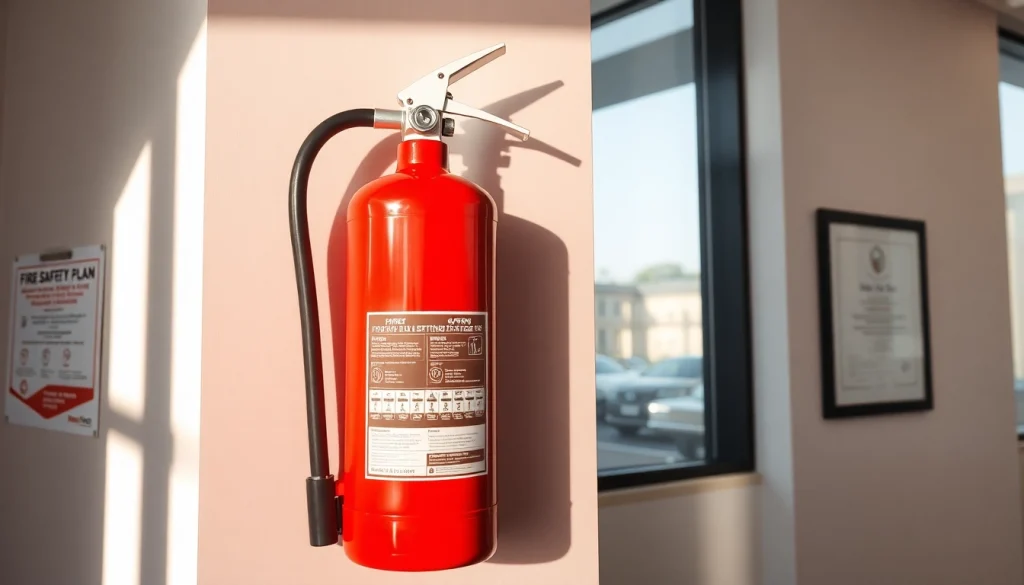
Understanding Electrical Fire Extinguishers
In recent years, the necessity of a specialized electrical fire extinguisher has gained prominence, especially in environments where electrical equipment is prevalent. Traditional fire extinguishers are effective for common fire types, but electrical fires, categorized as Class C fires, require distinct handling due to their unique characteristics. Understanding what sets these fires apart is crucial for effective safety measures.
What Makes Electrical Fires Different?
Electrical fires are initiated by faulty wiring, overloaded circuits, or malfunctioning appliances. Unlike fires caused by flammable solids, liquids, or gases, electrical fires can pose specific risks. When water is used to extinguish an electrical fire, it can conduct electricity, leading to potential electrocution or the fire escalating. Hence, standard extinguishing methods are ineffective. Moreover, some items, like batteries or electrical components, can reignite and lead to reflash if not handled correctly. Understanding these nuances will prepare individuals and enterprises alike to manage these dangerous situations effectively.
Types of Electrical Fire Extinguishers
Electrical fire extinguishers come in various types, tailored to address specific situations:
- Class C Extinguishers: Primarily filled with non-conductive agents, these extinguishers are made to combat electrical fires without risk of electrocution.
- CO2 Extinguishers: Utilizing carbon dioxide to displace oxygen, CO2 extinguishers are particularly effective for electrical fires, leaving no residue that could harm sensitive equipment.
- Dry Chemical Extinguishers: These can be filled with chemicals such as sodium bicarbonate or monoammonium phosphate, which suppress flames effectively while also being non-conductive.
- Clean Agent Extinguishers: These use halon or halocarbons that are great for sensitive equipment, as they extinguish flames without causing damage.
Key Features to Look For
When selecting an electrical fire extinguisher, there are several key features to consider:
- Rating: Ensure the extinguisher carries a Class C rating or is tested for electrical fires.
- Agent Type: Choose appropriate extinguishing agents based on your specific environment.
- Size: Consider the extinguisher’s size and weight for ease of handling.
- Pressure Gauge: Select models with clear pressure gauges to easily determine readiness.
- Certifications: Look for approval and certifications from recognized safety organizations.
Why Every Business Needs an Electrical Fire Extinguisher
The importance of having an electrical fire extinguisher cannot be overstated. They are integral to any risk management strategy, especially for businesses that rely on electronics and electrical systems.
Importance of Fire Safety Compliance
Various regulatory bodies have enforced fire safety standards to protect employees and customers. Non-compliance can lead to hefty fines, increased liability exposures, and damage to the brand’s reputation. Organizations must stay updated on local fire safety regulations, including the necessity of electrical fire extinguishers. Ensuring compliance not only fosters a safe environment but also enhances trust among stakeholders.
Protecting Equipment and Personnel
Beyond legal compliance, electrical fire extinguishers are vital for protecting both personnel and valuable equipment. In industries such as IT, manufacturing, and telecommunications, the risk of electrical fires is heightened. A swift response can prevent significant monetary loss due to damaged equipment or disrupted operations, alongside safeguarding human life and well-being.
Real-Life Case Studies
Consider the case of an office building in a tech startup hub that experienced an electrical fire due to an overloaded circuit during peak usage hours. Thanks to the proactive measures taken by the management, including providing sufficient electrical fire extinguishers and proper training for the staff, the fire was contained quickly using a CO2 extinguishing system before escalating into a more severe situation, limiting damage to the infrastructure. Such real-world examples emphasize the necessity and effectiveness of having appropriate fire safety equipment readily accessible.
How to Properly Use an Electrical Fire Extinguisher
Understanding how to correctly use an electrical fire extinguisher is crucial for safety. Knowledge of proper techniques can mean the difference between a contained situation and a full-blown disaster.
Step-by-Step Instructions
Using an electrical fire extinguisher involves the following steps:
- Assess the Situation: Ensure that the fire is small and manageable. Never attempt to extinguish a fire that is spreading rapidly or is unwieldy.
- Alert Others: Notify everyone in the vicinity and perform a safe evacuation.
- Retrieve the Extinguisher: Locate and grab the nearest electrical fire extinguisher.
- Stand at a Safe Distance: Keep a safe distance from the fire while preparing to use the extinguisher.
- Aim at the Base: Fire extinguishers should be aimed at the base of the flames to effectively cut off the fire’s oxygen supply.
- Squeeze the Trigger: Squeeze the handle firmly to release the extinguishing agent.
- Move from Side to Side: Sweep the nozzle from side to side until the fire is extinguished.
- Watch for Reignition: Stay vigilant as some fires can reignite.
Common Mistakes to Avoid
In the heat of the moment, it’s easy to make mistakes. Here are common errors to avoid:
- Using water to extinguish electrical fires.
- Attempting to fight a fire that is getting out of control.
- Positioning oneself too close to the fire.
- Failing to keep an eye out for potential reignition.
- Ignoring the importance of having an accessible fire extinguisher.
When to Call the Professionals
In situations where the fire becomes unmanageable, it is crucial to prioritize safety. If the fire grows larger than anticipated or if smoke fills the space, evacuating immediately is key. Dial emergency services without hesitation to receive professional assistance.
Maintenance and Inspection of Electrical Fire Extinguishers
Owning an electrical fire extinguisher entails responsibility; regular maintenance and inspections are essential for ensuring effectiveness in an emergency.
Regular Inspection Guidelines
Establishing regular inspection guidelines should be part of a fire safety plan. Recommended practices include:
- Monthly visual inspections to check for damage and ensure the gauge is in the green zone.
- A professional inspection at least once a year by a qualified technician.
- Testing extinguishers according to the manufacturer’s guidelines, including hydrostatic testing every 5 to 12 years as warranted.
Signs Your Extinguisher Needs Service
Be on the lookout for these signs that indicate your extinguisher might need servicing:
- Physical damage such as dents, rust, or corrosion.
- Missing or damaged pull pin or hose.
- Pressure gauge reading outside of the acceptable pressure range.
- Expired or outdated service tags.
Recordkeeping for Compliance
Maintaining accurate records of inspections and service dates is crucial for compliance and safety:
- Keep a dedicated logbook for the inspection and maintenance history.
- Document any repairs or replacements promptly.
- Ensure easy access to records for internal audits or inspections by safety regulators.
Choosing the Right Electrical Fire Extinguisher for Your Industry
The specific requirements for electrical fire extinguishers can vary greatly between industries. Making informed choices can significantly mitigate risks.
Considerations for Technology Companies
In technology companies, where servers, computers, and sensitive electronic equipment abound, a CO2 fire extinguisher can be incredibly advantageous. Its clean extinguishing properties reduce the risk of damaging crucial hardware while effectively handling fire outbreaks.
Extinguishers for Manufacturing Environments
Manufacturing environments often involve heavy machinery and wiring. Thus, dry chemical extinguishers suited for Class C fires are typically recommended. Employers should train employees on quick response times to reduce potential loss due to downtime.
Recommendations for Retail Businesses
Retail environments can benefit from lightweight, portable extinguishers, ideally of the CO2 or dry chemical types. Placement should be strategic, with clear visibility in areas housing significant electrical equipment, like point-of-sale systems and inventory management areas.