
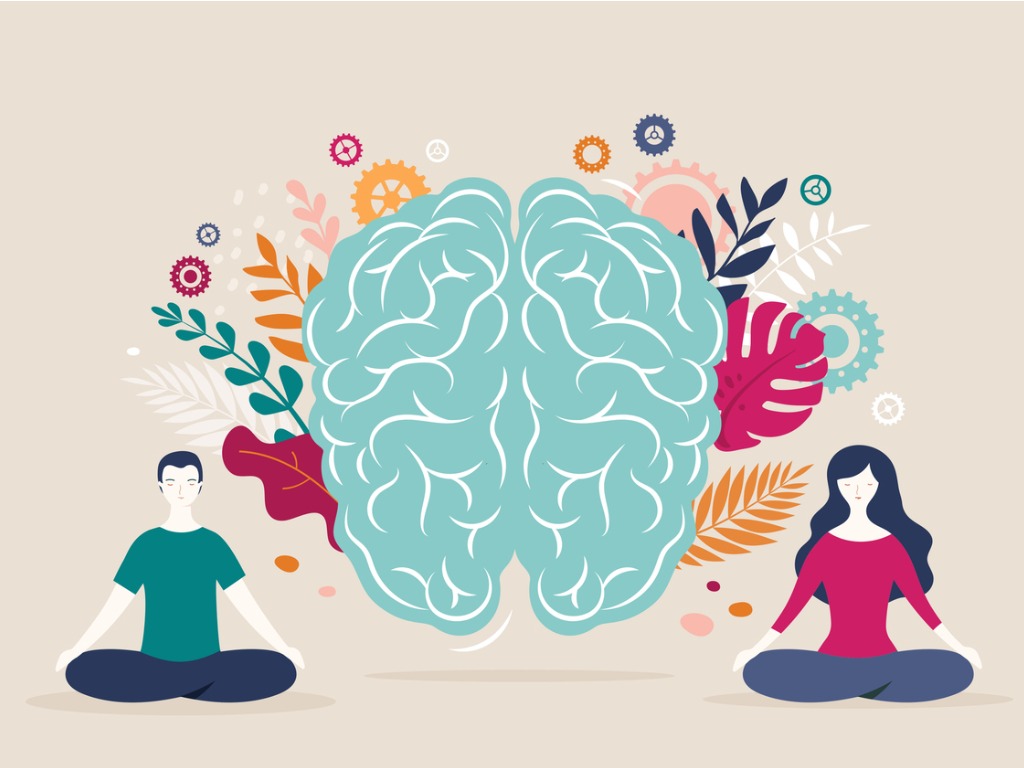
Emotional wellbeing is an essential part of living a balanced and fulfilling life. It is the foundation for mental health, physical health, and overall life satisfaction. Building resilience through daily Emotional wellbeing practices helps individuals navigate challenges, cope with stress, and maintain healthy relationships. In this article, we will explore practical strategies, real-life examples, and research-backed methods to strengthen emotional wellbeing for everyday life.
Understanding Emotional Wellbeing
Emotional wellbeing refers to the ability to manage emotions effectively, maintain a positive outlook, and respond to life’s challenges in a healthy manner. It is not just about feeling happy all the time; rather, it is about cultivating awareness, understanding, and balance in emotional experiences. People with strong emotional wellbeing can handle stress, recover from setbacks, and maintain healthy relationships.
Key Components of Emotional Wellbeing
- Self-awareness: Recognizing and understanding your emotions.
- Self-regulation: Managing impulses and responding thoughtfully.
- Social connection: Building meaningful relationships that provide support.
- Purpose and meaning: Engaging in activities that align with personal values.
- Resilience: The ability to recover and adapt to stress or adversity.
Emotional wellbeing is closely linked to physical health, as chronic stress and unresolved emotions can contribute to conditions like heart disease, anxiety, and sleep disturbances. Prioritizing emotional health is therefore essential for overall wellbeing.
Daily Practices to Enhance Emotional Wellbeing
1. Mindfulness and Meditation
Mindfulness involves paying attention to the present moment without judgment. Meditation is a structured way to practice mindfulness and can help reduce stress, anxiety, and negative thought patterns.
How to practice mindfulness:
- Spend 5–10 minutes each day focusing on your breath.
- Notice physical sensations and emotions without trying to change them.
- Use guided meditation apps or simple audio instructions if starting out.
Example: Sarah, a high school student, found that meditating for 10 minutes each morning helped her manage exam stress and stay focused during the day.
2. Journaling for Emotional Awareness
Journaling allows individuals to express thoughts and feelings on paper, providing clarity and insight into emotional patterns. Writing can help reduce anxiety, boost self-reflection, and identify triggers.
Tips for effective journaling:
- Write daily, even if for a few minutes.
- Focus on emotions and what caused them.
- Reflect on progress and personal growth.
Case Study: John, who struggled with workplace stress, began journaling nightly. Over time, he recognized recurring stress triggers and developed strategies to manage them more effectively.
3. Physical Activity and Emotional Health
Exercise is not only beneficial for physical fitness but also significantly impacts emotional wellbeing. Regular activity releases endorphins, which act as natural mood boosters.
Recommended activities:
- Walking, jogging, or cycling
- Yoga or Pilates for mind-body connection
- Team sports to build social bonds
Analogy: Just as charging a phone ensures it functions properly, exercise “recharges” your brain, keeping your mood and focus at optimal levels.
4. Building a Support Network
Healthy relationships are critical for emotional resilience. Friends, family, mentors, and support groups provide emotional support, guidance, and a sense of belonging.
Tips for nurturing relationships:
- Communicate openly and honestly
- Listen actively and empathetically
- Offer support without expecting immediate returns
Real-life example: Maria, who felt isolated after moving to a new city, joined a local hobby group. Connecting with like-minded individuals improved her emotional wellbeing and reduced feelings of loneliness.

Real life.
5. Practicing Gratitude
Gratitude involves acknowledging and appreciating positive aspects of life. This practice can shift focus from negative experiences to meaningful moments, enhancing emotional resilience.
Simple gratitude exercises:
- List three things you are grateful for each day
- Express appreciation to friends and family
- Reflect on past challenges and lessons learned
Case Study: A study in 2023 showed that individuals who practiced daily gratitude reported lower stress levels and higher overall life satisfaction.
6. Managing Stress Through Deep Breathing
Stress is a natural part of life, but unmanaged stress can negatively affect emotional wellbeing. Deep breathing exercises activate the body’s relaxation response and help reduce tension.
Breathing technique:
- Inhale slowly for four counts
- Hold the breath for four counts
- Exhale slowly for four counts
- Repeat for several minutes until you feel calmer
Analogy: Deep breathing acts like a “reset button” for the mind, helping you respond rather than react to stressors.
7. Setting Realistic Goals
Having clear, attainable goals promotes a sense of purpose and achievement. Realistic goal-setting prevents feelings of frustration or overwhelm, supporting emotional wellbeing.
Steps to effective goal-setting:
- Break goals into manageable steps
- Track progress and celebrate milestones
- Adjust expectations based on circumstances
Example: Alex, overwhelmed by schoolwork, started setting small weekly targets. Completing these goals improved his confidence and emotional balance.
8. Limiting Negative Influences
Exposure to constant negativity—through social media, news, or toxic relationships—can erode emotional wellbeing. Setting boundaries protects mental and emotional health.
Strategies:
- Limit social media use to specific times
- Avoid overly negative conversations when possible
- Surround yourself with supportive and positive influences
9. Engaging in Hobbies and Creative Expression
Hobbies and creative activities provide outlets for self-expression, relaxation, and personal fulfillment. Whether it’s painting, music, or cooking, engaging in enjoyable activities nurtures emotional health.
Example: Emma, a busy professional, used weekend painting sessions to manage stress. Over time, she noticed improved mood and reduced anxiety.
10. Seeking Professional Support When Needed
Sometimes, emotional challenges require professional help. Therapists, counselors, and mental health practitioners offer guidance, coping strategies, and structured support for maintaining emotional wellbeing.
Signs to seek professional help:
- Persistent sadness or anxiety
- Difficulty managing daily responsibilities
- Strained relationships due to emotional distress
Benefits of Daily Emotional Wellbeing Practices
Practicing emotional wellbeing daily has long-term benefits for mental, emotional, and physical health. Some key advantages include:
- Increased resilience to life’s challenges
- Improved mood and reduced anxiety
- Stronger and more supportive relationships
- Enhanced focus, productivity, and decision-making
- Better overall physical health through reduced stress
Consistently implementing emotional wellbeing strategies transforms how individuals experience life, fostering strength, adaptability, and positivity.
Conclusion
Emotional wellbeing is a vital component of a balanced life. Building resilience through daily practices—such as mindfulness, journaling, exercise, gratitude, and supportive relationships—helps individuals manage stress, navigate challenges, and maintain a sense of purpose. By incorporating these practices into everyday routines, anyone can enhance their emotional health and live with greater calm, focus, and fulfillment. Remember, emotional wellbeing is a journey, and small, consistent actions can lead to meaningful, lasting change. Find expert recommendations and top picks right on our main page.
FAQs
What is emotional wellbeing, and why is it important?
Emotional wellbeing refers to the ability to manage emotions, cope with stress, and maintain positive mental health. It is important because it affects relationships, decision-making, physical health, and overall life satisfaction.
How can I practice emotional wellbeing daily?
Daily practices include mindfulness meditation, journaling, exercise, gratitude, building supportive relationships, managing stress, setting goals, and pursuing hobbies. These practices strengthen resilience and promote balance.
When should I seek professional help for emotional challenges?
Professional support is recommended if you experience persistent sadness, anxiety, difficulty managing daily life, or strained relationships. Mental health professionals can provide guidance and strategies tailored to your needs.