The Importance of Safety Railings in Construction
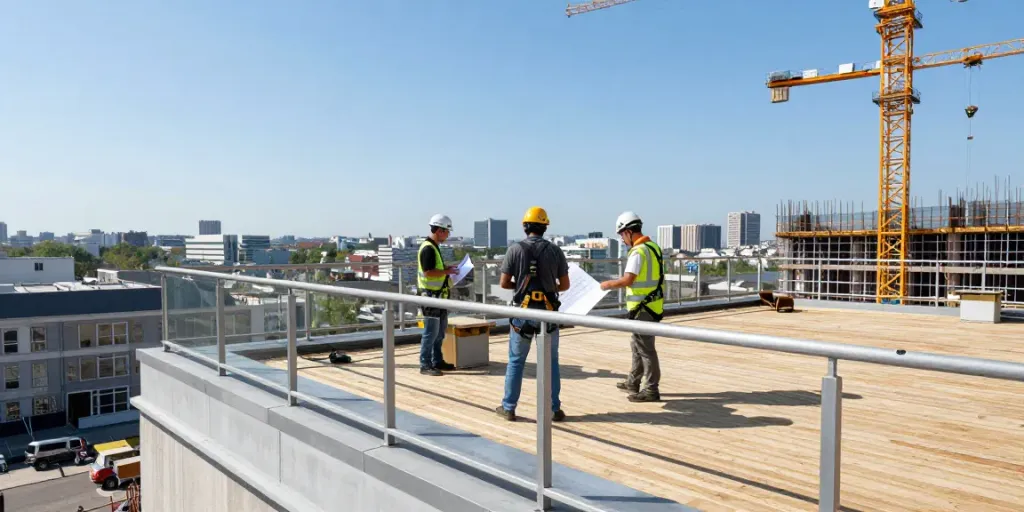
In any construction environment, safety should be the foremost priority for both workers and visitors. Among various safety measures employed, safety railings play a critical role. These structures not only serve as a protective barrier against falls but also contribute to compliance with legal regulations and standards within the industry. Investing in quality Safety railings ensures that both residential and commercial properties meet required safety codes, providing peace of mind to everyone involved.
Why Safety Railings Are Crucial for Compliance
Safety railings are more than just physical barriers; they are integral to adhering to local, state, and national safety regulations. Compliance with Occupational Safety and Health Administration (OSHA) guidelines is essential. OSHA mandates that employers safeguard their employees from fall hazards, making proper railing installation a key aspect of workplace safety. Non-compliance can lead to severe penalties, legal consequences, and increased liability exposure, not to mention the potential for accidents and injuries.
Common Regulations and Standards for Safety Railings
Understanding the regulations surrounding safety railings is vital. Key standards include:
- OSHA Standards: Railings must be capable of withstanding a load of at least 200 pounds without failure.
- Height Requirements: Typically, the top rail must be at a height of 42 inches above the walking surface.
- Material Specifications: Railings should be made from durable materials like steel, aluminum, or wood, ensuring they can endure environmental conditions.
Impact of Safety Railings on Worker Safety and Liability
Properly installed safety railings drastically reduce the risk of falls, which are a leading cause of workplace injuries. By implementing these barriers, employers not only protect their workers but also minimize potential liability claims. A safe working environment can also lead to increased employee morale and productivity, fostering a culture of safety that benefits everyone involved.
Types of Safety Railings Available
When selecting safety railings, it's essential to understand the different types available to ensure optimal safety and functionality. The options can vary significantly based on material, design, and purpose.
Material Choices: Metal vs. Wood Safety Railings
Metal railings, often made from steel or aluminum, offer durability and strength, making them ideal for long-term use in harsh environments. They require minimal maintenance and can endure extreme weather conditions. Conversely, wooden railings provide a classic aesthetic for residential properties but may need more upkeep over time. Deciding between these materials often comes down to specific project needs and budget considerations.
Permanent and Temporary Solutions for Different Projects
Safety railings can be categorized as permanent or temporary solutions:
- Permanent Railings: These are installed for the long term, usually in commercial buildings or new construction sites where safety is a continuous concern.
- Temporary Railings: Commonly used at construction sites, these railings can be set up quickly to provide immediate fall protection for workers and are easily removable once the project is completed.
Innovative Designs Tailored for Modern Architecture
Modern architectural trends often integrate safety railings into the overall design, making them not only functional but also visually appealing. Customizable options enable alignment with the property’s aesthetic, ensuring that safety does not compromise style. Innovations in design allow for transparent glass railings that maintain sightlines while providing a secure barrier independently.
Installation Best Practices for Safety Railings
Proper installation is paramount to the effectiveness of safety railings. Following best practices can significantly enhance their performance and adherence to safety regulations.
Step-by-Step Guide for Proper Installation Techniques
When installing safety railings, consider the following steps:
- Identify and mark the areas where railings will be installed to ensure proper placement.
- Gather all necessary tools, including drills, screws, and measuring tapes.
- Align the railing posts according to the specified height and spacing regulations.
- Secure the posts into the ground, ensuring they are level and stable.
- Attach the top rail, ensuring it meets the required height and can withstand pressure.
Tools and Materials Needed for a Secure Fit
Essential tools include a drill, level, measuring tape, hammer, and safety goggles. Material choices should also align with project requirements, including durable railing components and weather-resistant finishes for outdoor applications.
Common Mistakes to Avoid During Installation
Some frequent pitfalls during railing installation include:
- Failing to adhere to height regulations, which can lead to non-compliance.
- Not securing posts properly, leading to instability.
- Ignoring local building codes that specify spacing and material requirements.
Maintenance and Inspection of Safety Railings
To ensure safety railings remain effective and compliant, regular maintenance and inspection are crucial. This involves assessing their condition periodically to identify any signs of wear.
Regular Maintenance Schedules for Durability
Implementing a maintenance schedule ensures safety railings are checked regularly, typically every six months or after severe weather events. Regular maintenance should include cleaning, repainting, and tightening screws or brackets.
Signs of Wear that Indicate Replacement Needs
Watch for rust, cracks, or loose fittings, which can indicate that railings need to be replaced or repaired. Prompt attention to these issues is crucial to prevent accidents.
How to Conduct Effective Safety Inspections
When inspecting railings, check for the following:
- Assessing structural integrity: Ensure there are no visible dents or bending.
- Testing the stability: Try to shake the railing gently to check for movement.
- Evaluating the finish: Look for signs of corrosion or paint chipping.
Future Trends in Safety Railings for 2026 and Beyond
The safety railing industry is evolving, with innovations aimed at improving functionality, safety, and aesthetic appeal. Emerging trends are likely to shape the market in the coming years.
Emerging Technologies in Safety Railing Designs
With the advent of smart technology, safety railings are incorporating sensors and alerts that notify users of potential hazards or structural issues. This proactive approach to safety can revolutionize how we think about fall protection.
Environmental Considerations in Material Selection
As sustainability becomes a priority, the use of eco-friendly materials in safety railings will likely increase. Companies are exploring recycled metals and sustainably sourced wood to minimize their environmental impact.
Design Innovations Inspired by Modern Aesthetics
As architecture trends towards minimalism and transparency, the use of glass and composite materials in safety railings will likely rise. These materials not only provide safety but also enhance the visual appeal of buildings.
What are the OSHA requirements for railings?
The OSHA requirements specify that guardrails must have a minimum height of 42 inches and be able to withstand a force of at least 200 pounds. This ensures the safety and reliability of railings across various environments.
How tall do safety railings need to be?
Safety railings should typically be at least 42 inches tall, measured from the walking surface, to provide adequate fall protection and meet safety standards set forth by various governing agencies.
Can safety railings be installed DIY?
While it is possible for homeowners to install safety railings themselves, it is recommended that they hire professionals to ensure compliance with local building codes and safety standards.
What are the best materials for residential safety railings?
The best materials for residential safety railings include durable options like steel, aluminum, and treated wood, each offering different aesthetic and functional benefits.
How do safety railings affect property value?
Properly installed and aesthetically pleasing safety railings can enhance property value by improving safety, which is attractive to potential buyers. Investing in quality railings helps convey a commitment to safety and quality design.