
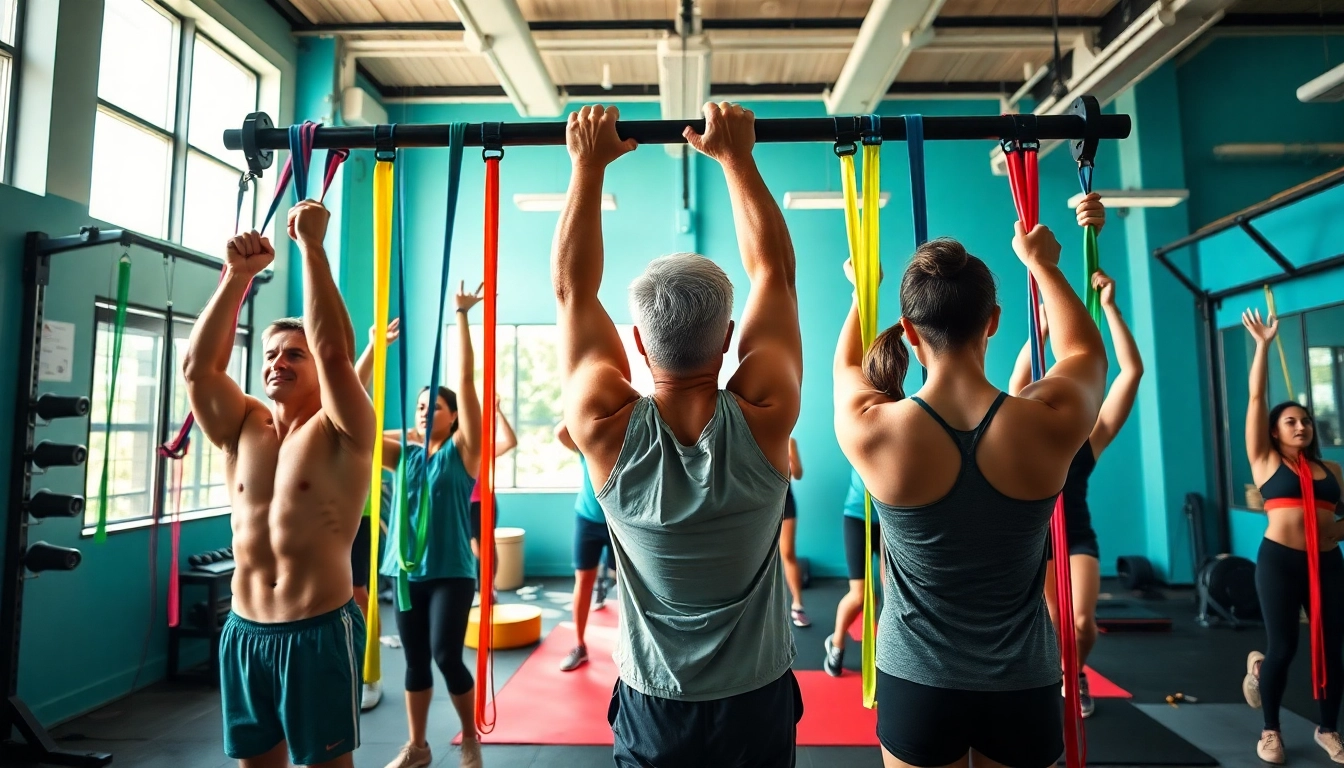
The Benefits of Using Resistance Bands for Pull-Ups
Resistance bands for pull-ups have gained immense popularity among fitness enthusiasts, and for good reason. These versatile tools not only assist in performing pull-ups but also enhance overall workout efficiency and effectiveness. By incorporating resistance bands into your training regimen, you can address various fitness levels, whether you’re a beginner struggling to complete a single pull-up or an advanced athlete looking to increase strength and endurance. The adaptability and convenience of resistance bands make them an essential asset in any fitness journey.
Why Resistance Bands Enhance Pull-Up Performance
One of the primary reasons resistance bands are favored for pull-ups is their ability to provide variable assistance. Unlike traditional weighted exercises, resistance bands offer a unique way to progress at your own pace. When you attach a band to a pull-up bar and place your foot or knee in it, the band helps lift a portion of your body weight, making it easier to perform the exercise. This assistance allows users to focus on developing their strength without the intimidation of unsupported pull-ups.
Physical Benefits: Strength and Flexibility
The physical benefits of using resistance bands extend beyond merely facilitating pull-ups. Regular training with bands enhances upper body strength, focusing on the muscles of the back, shoulders, and arms. Additionally, incorporating bands into your routine improves flexibility and range of motion. As you progress, bands can be used to add resistance, challenging your muscles further and fostering hypertrophy. This adaptability ensures that your workouts remain engaging and effective.
Mental Benefits: Building Confidence and Motivation
Mentally, using resistance bands can significantly elevate your workout experience. Successfully completing assisted pull-ups can boost your confidence, encouraging you to attempt unassisted variations as you gain strength. The visual progress provided by using bands helps maintain motivation during training. Each successful repetition reinforces your commitment to fitness, making every workout a step closer to mastering your goals.
Selecting the Right Resistance Bands for Your Needs
When exploring options, resistance bands for pull-ups come in various sizes, strengths, and materials, making it essential to choose the right one for your training style and body weight. Understanding the differences can significantly impact the effectiveness of your workouts.
Understanding Resistance Levels: Which Band is Best?
Resistance bands typically come in different thicknesses or resistance levels, usually ranging from light to extra heavy. The right resistance band for you will depend on your current strength and the level of assistance you require. Beginners may find lighter bands helpful as they start their journey, while more advanced users might benefit from thicker bands to challenge their existing strength. A common guideline is to choose a band that can assist you in completing at least five to ten repetitions of pull-ups comfortably.
Choosing Between Latex and Fabric Bands
There are primarily two types of resistance bands: latex and fabric. Latex bands are more commonly used due to their elasticity and durability, making them suitable for a wide range of exercises. However, they can occasionally cause skin irritation for sensitive users. Fabric bands, while generally more comfortable, tend to have less elasticity and may not provide the same level of support for pull-ups. Selecting the right type may depend on personal preference and specific workout goals.
Top Brands for Resistance Bands in 2026
As the demand for resistance bands has grown, several brands have emerged as leaders in the market. Some of the top brands for resistance bands in 2026 include:
- FitSimplify: Known for high-quality and durable bands, ideal for varied strength levels.
- Rogue Fitness: Offers a wide range of robust bands designed for professional athletes.
- TheraBand: Popular in rehabilitation, these bands are also effective for strength training.
- Rubberbanditz: Renowned for their versatility and quality, suitable for all fitness enthusiasts.
Techniques for Effective Pull-Up Training with Bands
Effectively utilizing resistance bands for pull-ups requires a structured approach. With the right techniques, you can maximize your training results and ensure proper form throughout your workouts.
Proper Setup for Resistance Bands and Pull-Up Bars
To begin, ensure that your pull-up bar is securely mounted and capable of supporting your weight. Attach the resistance band to the bar, making sure it is properly looped to prevent slipping. Depending on your fitness level, you may place your knee or foot in the band. Adjust the tension to find a comfortable starting point for your pull-ups.
Step-by-Step Guide to Assisted Pull-Ups
- Stand under the pull-up bar and grasp it with an overhand grip.
- Step into the band, either placing your foot or knee in the loop.
- Engage your core and pull yourself upwards, utilizing the band for assistance.
- Lower yourself slowly to the starting position, maintaining control.
- Perform 3-4 sets of 8-10 repetitions, adjusting the band strength as needed.
Incorporating Bands into Your Workout Routine
To maximize effectiveness, integrate resistance bands into your overall fitness regimen. Additionally, vary your exercises by incorporating banded pull-ups, dip variations, or even resistance training for lower body exercises. This diversification ensures well-rounded strength development and keeps your workouts engaging.
Common Challenges and Solutions When Using Resistance Bands
While resistance bands are incredibly effective, users often face challenges when first integrating them into their routines. Understanding these challenges and knowing how to address them will help you get the most out of your training.
Overcoming Plateaus: Advanced Techniques to Try
As your strength increases, you may encounter plateaus where your progress stagnates. To overcome this, consider incorporating advanced techniques such as varying resistance band thickness, changing grip positions, or including different banded exercises that target the same muscle groups. Additionally, increase your repetition ranges or decrease rest time between sets to maintain intensity.
Addressing Common Misconceptions About Resistance Bands
Many beginners mistakenly believe that resistance bands are only for rehabilitation or that they do not provide sufficient resistance. In reality, resistance bands can be equally effective as weights for strength training. They can also enhance joint stability and functional movement patterns, making them versatile tools for all fitness levels.
Expert Tips for Injury Prevention and Safe Use
To ensure safety while using resistance bands, follow these guidelines:
- Inspect bands regularly for wear and tear to prevent snapping or injury.
- Start with lighter resistance and gradually increase as you gain strength.
- Focus on maintaining proper form to avoid unnecessary strain on joints.
- Incorporate dynamic stretches before workouts to prepare your muscles.
Future Trends in Resistance Training: What's Next?
The landscape of resistance bands and training continues to evolve, influenced by advancements in technology and fitness methodologies. Staying informed on these trends can enhance your training experience and effectiveness.
Innovative Designs and Materials for Resistance Bands
In 2026, expect to see a rise in innovative designs that incorporate materials aimed at improving user experience. This includes fabric bands with increased durability, eco-friendly options, and bands that offer adjustable resistance levels to cater directly to individual user needs.
How Technology is Influencing Workout Methodologies
Wearable technology and fitness apps are increasingly integrating with resistance training. These tools can track your progress, suggest workouts, and even provide real-time feedback on form and technique, creating a more personalized fitness experience.
The Evolving Role of Resistance Bands in Fitness Programs
As fitness programs become more diverse, resistance bands are taking center stage. They are being incorporated into group classes, personal training sessions, and home workout routines, allowing users to benefit from their versatility and efficiency. Expect resistance bands to remain a staple in both casual and professional fitness environments as they continue to promote functional strength and mobility.