

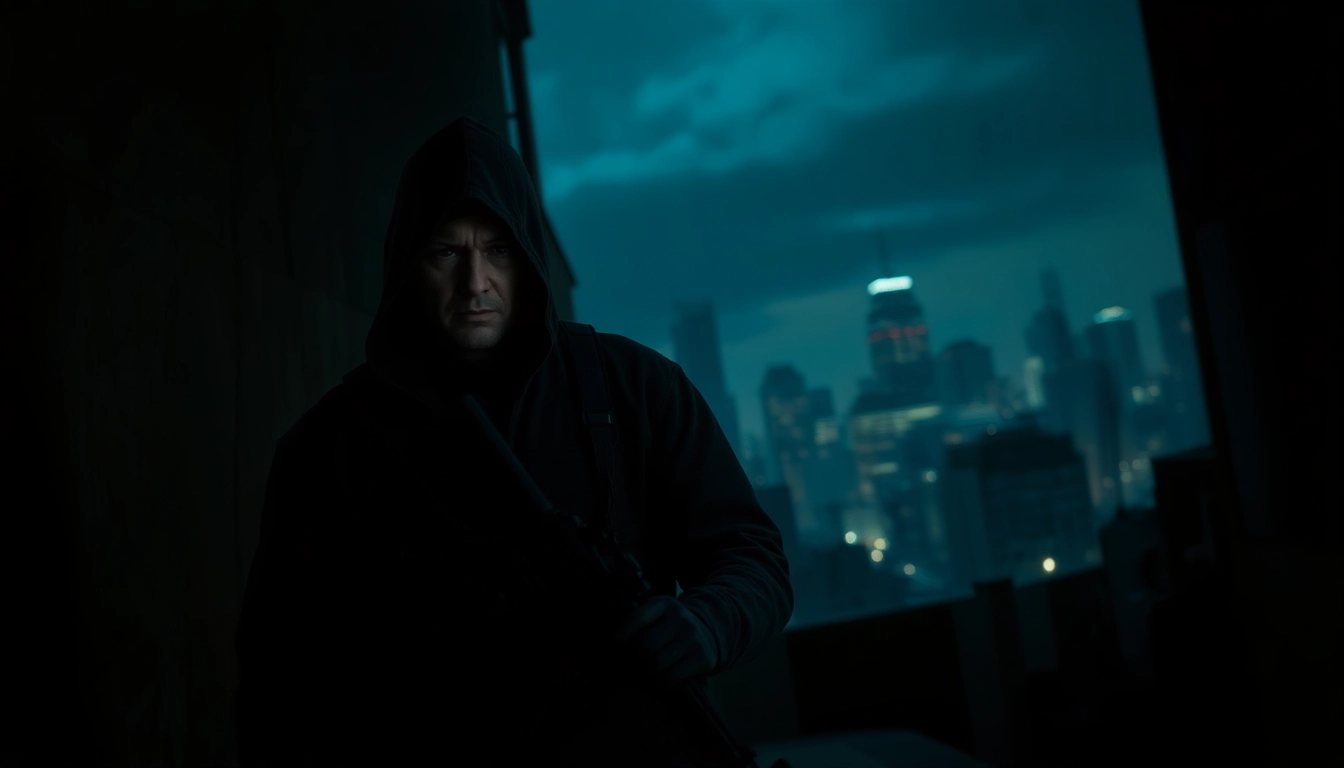
The World of Contracts and Bullets
Introduction to the Assassin Genre
The assassin genre has captivated audiences for decades, providing a unique blend of action, suspense, and moral ambiguity. These stories often explore the darker sides of human nature, weaving narratives around the complex lives of those who earn a living through crime, particularly through assassination. At the core of many of these tales are two powerful elements: contracts and bullets. Together, they not only propel the plot forward but also symbolize the heavy burdens borne by the characters involved. Within this context, Contracts and Bullets emerges as a riveting entry into the genre, highlighting the interplay of life and death decisions made under extreme pressure.
Thematic Exploration of Contracts and Bullets
Contracts in the assassin genre often represent a pact with the devil. Characters enter into agreements for various reasons—financial gain, vendetta, or even survival. The implications of these contracts are profound and often lead to unforeseen consequences. Bullets, on the other hand, serve as both tools of the trade and symbols of choice; each bullet fired represents not just an action but a decision with lasting ramifications. The thematic interplay between contracts and bullets in literature pushes readers to examine the morality of such choices, creating a rich tapestry of narrative possibilities.
Character Profiles and Motivations
At the heart of any compelling assassin narrative are its characters. In the world of contracts and bullets, protagonists are often deeply flawed individuals driven by personal motivations that shape their decisions. For instance, an assassin like Leroy Silver—from Contracts and Bullets—walks the fine line between professional duty and personal integrity. His journey reveals the conflicts and internal struggles faced by those living under the shadow of their lethal profession. The motivations behind each character’s actions are as varied as their backgrounds, enriching the storyline with layers of complexity.
Understanding Contracts
What Are Contracts in the Context of Assassins?
Contracts, in the realm of assassination, refer to agreements made to carry out a specific task, typically involving the termination of life for monetary compensation. These contracts can come in various forms—from organized crime assignments to rogue operations orchestrated by government bodies. Understanding the nature of these contracts is crucial, as they often dictate not only the demands placed on the assassin but also the ethical boundaries of their profession.
Different Types of Contracts and Their Implications
Assassination contracts can be broadly classified into several categories, each carrying unique implications:
- Government Contracts: Often sanctioned, these contracts come with state backing and legal implications, presenting a blend of ethical dilemmas.
- Private Contracts: These are typically offered by individuals seeking vendettas or personal grievances to be settled, which may lack legal immunity, heightening the moral stakes involved.
- Organizational Contracts: Often associated with criminal enterprises, these contracts usually involve intricate networks facilitating the assassination for power, control, or financial gain.
Each type of contract influences both the narrative arcs and character development within assassin stories, allowing a deep exploration of the consequences of choice in a world governed by violence.
Legal Perspectives on Assassination Contracts
The legal ramifications surrounding assassination contracts introduce critical conversation points around morality and justice. While government-sanctioned assassinations sometimes occur with the justification of national security, private and organizational contracts often place individuals outside the law. These nuances invite readers to ponder significant questions regarding legality versus morality, complicating the seemingly straightforward world of contracts in the narrative landscape.
The Significance of Bullets
The Role of Bullets in Assassination
In the assassin’s toolkit, bullets hold immense importance—they are the tangible element that carries out the fatal decision encapsulated in every contract signed. Beyond their physical function, bullets represent finality, severing the ties between life and death. The act of pulling the trigger brings into focus the personal motivations of the assassin and the weight of their choices.
Symbolism Behind Bullets and Choices
Bullets symbolize the ultimate choices faced by characters in assassin narratives. The moment a bullet is fired, it often leads to irreversible consequences that haunt the assassin. The psychological impact of this act plays a crucial role in character development, conveying themes of guilt, redemption, and existential reflection. As bullets fly, the narrative explores the implications of choice, illustrating how a single decision can redefine existence.
Bullet Technologies and Their Portrayal
Within the assassin genre, bullet technologies are often depicted with meticulous detail. From sniper rifles to handguns, the portrayal of weaponry adds an additional layer to the storytelling. Understanding the mechanics and capabilities of various bullets often enhances the tension in action sequences and underscores the sophistication of the assassin’s craft. Such details can elevate the narrative, creating a more immersive experience for readers.
Analyzing Key Scenes in Contracts and Bullets
Critical Action Sequences and Their Impact
Critical action sequences define the intensity of an assassin narrative. In Contracts and Bullets, moments of high-stakes conflict are designed to keep readers on the edge of their seats. The choreography of these scenes, complete with precise descriptions of gunfights and close-quarters combat, creates an adrenaline-pumping rhythm that mirrors the life-or-death stakes of the characters involved. Such sequences also provide opportunities for character revelations, where the assassin’s true nature is often laid bare.
How Suspense is Built Through Narrative
The use of pacing and strategic narrative techniques contributes significantly to the build-up of suspense in assassin stories. By introducing elements of tension—such as ticking clocks, unforeseen complications, or moral dilemmas—authors create a sense of urgency that propels the narrative forward. Crafting cliffhangers and intertwining character arcs deepens engagement, as readers become emotionally invested in the outcomes of these high-stakes contracts.
Character Arcs: Decisions in Crisis
The crux of character development in assassin narratives revolves around the decisions made in times of crisis. An assassin’s ability to navigate moral quandaries not only defines their character but also charts their trajectory throughout the storyline. In Contracts and Bullets, Leroy Silver’s evolution is emblematic of the struggle faced by many assassins; he confronts both external enemies and internal conflicts, ultimately leading to a crucial choice that can alter his path forever. These moments of decision serve to underscore the complexity of characters caught in the web of contracts and bullets.
Conclusion: Lessons from Contracts and Bullets
Cultural Reflections on Violence and Contracts
The assassin genre serves as a lens through which society can examine its relationship with violence. The portrayal of contracts and bullets in literature reflects broader cultural concerns related to morality, justice, and the human condition. As narratives unfold, they prompt readers to evaluate their own beliefs regarding the repercussions of violence and the moral complexities of choice.
The Legacy of Assassins in Literature
Assassins have a storied history within literature, spanning various cultures and epochs. From ancient tales of warriors to contemporary stories of shadowy figures, these characters continuously captivate audiences by embodying the ultimate conflict between duty and conscience. The legacy of assassins serves as a reminder of the broader human struggle against darker impulses—an exploration that remains relevant in today’s society.
Future Trends in the Assassin Genre
Looking ahead, the assassin genre is likely to evolve, adapting to the changing landscape of storytelling and audience expectations. New narratives may delve deeper into psychological profiles, integrating themes of mental health and the consequences of violence. As society continues to grapple with complex issues surrounding morality, the allure of contracts and bullets will persist, inviting exploration into the heart of what it means to live in a world where choices can lead to life or death.