

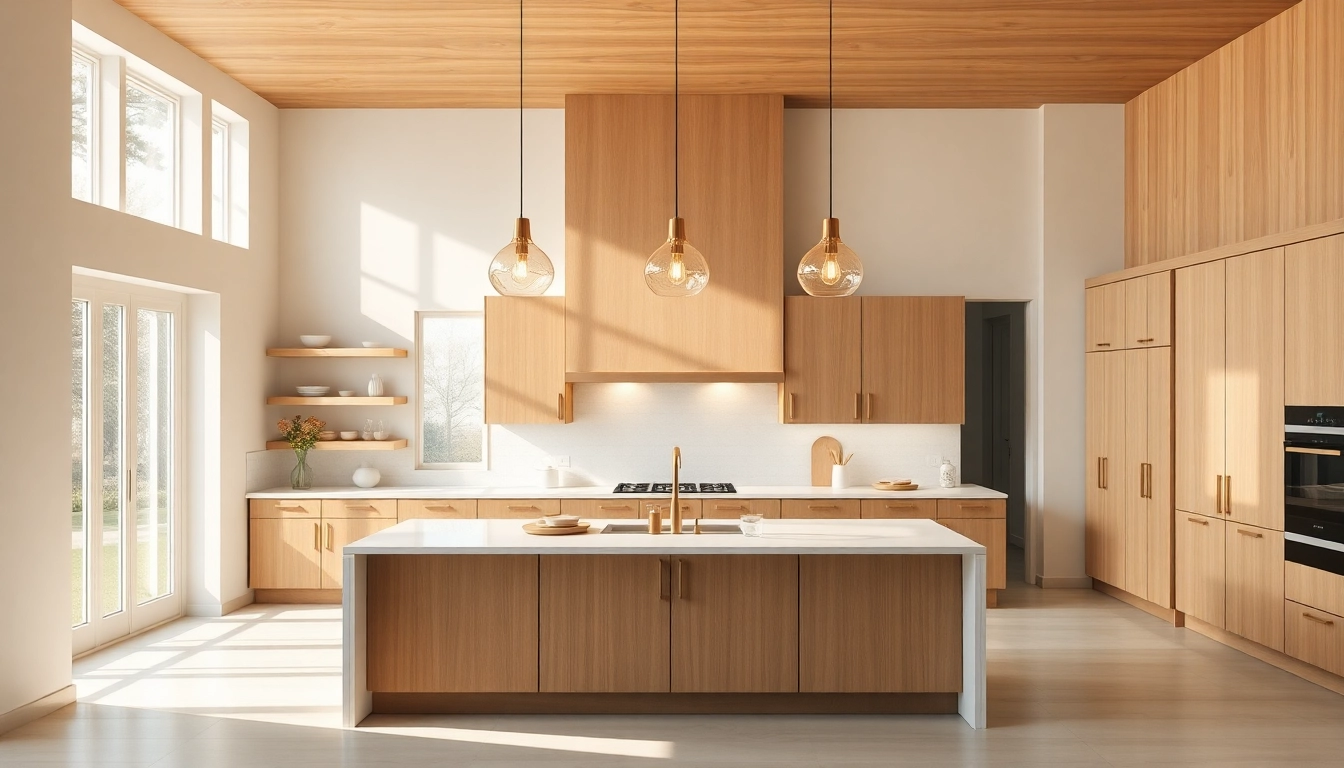
Understanding the Importance of Island Lighting
What is Island Lighting?
Island lighting refers to a category of lighting used specifically to illuminate kitchen islands or similar open spaces. This style amplifies both functionality and aesthetics, providing essential task lighting while enhancing the overall ambiance of the kitchen. By focusing on the island area, it creates a designated space for food preparation, dining, and social interaction. Importantly, island lighting plays a crucial role in modern kitchen design, bridging the gap between utility and style.
Benefits of Using Island Lighting
Implementing island lighting offers various advantages:
- Enhanced Functionality: It provides focused light where it’s needed most, making meal prep and cooking activities more convenient.
- Aesthetic Appeal: Island lighting fixtures act as decorative elements that can personalize the kitchen’s style, whether it’s contemporary, rustic, or industrial.
- Increased Safety: Proper lighting reduces shadows and ensures that sharp tools and hot surfaces are visible, minimizing accidents.
- Social Interaction: The illuminated island becomes a social hub, encouraging family gatherings and conversation.
Designing Your Space with Island Lighting
The integration of island lighting in your kitchen design complements the overall aesthetic and functionality. Consider factors such as ceiling height, color schemes, and the existing decor when selecting fixtures. For example, a minimalist kitchen design might benefit from sleek pendant lights, while a vintage-inspired space may be well-suited for ornate chandeliers. The goal is to ensure that the lighting not only serves its purpose but also enhances the unique character of your kitchen.
Types of Island Lighting
Pendant Lights: Style and Functionality
Pendant lights are one of the most popular choices for island lighting due to their versatility and style. Available in a myriad of designs, shapes, and materials, they can be tailored to fit any kitchen theme. Whether you prefer a single statement piece or multiple pendants hanging in a row, these fixtures provide focused light while also adding a decorative touch.
Chandeliers as Focal Points
Another dramatic option for island lighting is a chandelier. This fixture serves as a stunning centerpiece, capable of elevating the kitchen’s aesthetic. When selecting a chandelier, consider the size of your kitchen island; a larger island can accommodate more elaborate designs. Chandeliers not only illuminate but also make a bold design statement, drawing the eye and creating an inviting atmosphere.
Under-Cabinet and Accent Lighting
For a layered lighting approach, under-cabinet lighting and accent lights can be incorporated alongside pendant or chandelier lights. Under-cabinet lights enhance visibility on work surfaces, while accent lights can highlight decorative elements like unique backsplash tiles or art pieces. This combination creates a balanced, multifunctional lighting scheme, providing both task and ambient light.
Choosing the Right Island Lighting Fixtures
Material Considerations
The choice of material for island lighting fixtures significantly influences the overall design theme. Various materials, such as glass, metal, wood, and plastic, affect not only durability but also style. For instance, glass fixtures can add elegance, while industrial metal designs can contribute to a modern aesthetic. Always choose materials that align with both your design preferences and functional needs.
Size and Scale of Lighting
When selecting fixtures, it’s crucial to match the size of the lighting with the dimensions of your island. Oversized fixtures can overwhelm a small island, while too-small lights can appear insignificant in relation to a larger space. Aim for proportional relationships—pendants should hang at a comfortable distance above the island, ensuring they do not obstruct views or movement.
Energy Efficiency and Bulb Types
In today’s eco-conscious design landscape, energy-efficient lighting options are essential. LED bulbs, for instance, offer longevity and lower energy consumption compared to traditional incandescent bulbs. When choosing bulb types for your island lighting, consider the color temperature as well; warmer tones create a cozy ambiance, while cooler tones can enhance focus and attention, particularly for task-oriented spaces.
Installation Tips for Island Lighting
Height and Placement Guidelines
Proper installation of island lighting hinges on the height and placement of the fixtures. A general rule of thumb is to hang pendant lights 30 to 36 inches above the countertop. This height ensures adequate illumination while maintaining unobstructed views across the kitchen. Make sure to evenly space multiple fixtures to achieve a balanced look if using more than one light.
Wiring and Electrical Considerations
When undertaking installation, ensure that your electrical system can support the new fixtures. Consult with an electrician if necessary to address any wiring upgrades or modifications. This step not only guarantees safety but also complies with local building codes, thereby avoiding future complications.
DIY vs. Professional Installation
For the technically inclined, installing island lighting can be an enjoyable DIY project. However, if you’re unfamiliar with electrical work, it’s advisable to hire a professional. A licensed electrician will ensure proper installation, which can prevent potential hazards down the line and guarantee that your lighting operates effectively.
Maintenance and Care for Island Lighting
Cleaning Techniques for Different Fixtures
Maintaining your island lighting involves regular cleaning to prevent dust and grime buildup. For glass fixtures, a soft cloth with glass cleaner is usually sufficient. Metal fixtures may require specific cleaners depending on the finish; ensure you choose products that won’t harm the surface.
Common Issues and Troubleshooting
Common issues with island lighting include flickering lights, inadequate illumination, and burnt-out bulbs. If flickering occurs, check the bulbs and connections. If a bulb burns out, replace it immediately with a similar wattage bulb. For inadequate lighting, consider upgrading to higher-lumen output fixtures or adjusting the height for better coverage.
When to Replace Your Island Lighting
Consider replacing your island lighting if you notice signs of wear, such as discoloration, extensive damage, or outdated styles that no longer fit your décor. Additionally, if you find yourself frequently replacing bulbs or experiencing electrical issues, it may be time to invest in new fixtures that provide better longevity and energy efficiency.
Frequently Asked Questions
What is the ideal height for island lighting fixtures?
The ideal height for island lighting fixtures is typically 30 to 36 inches above the surface of the island to provide adequate illumination without obstructing views.
What types of bulbs are best for island lighting?
LED bulbs are recommended for island lighting due to their energy efficiency, long lifespan, and variety of color temperatures to suit different aesthetics.
How can I match my island lighting with kitchen décor?
To match your island lighting with kitchen décor, consider the style, color, and material of your fixtures to complement existing elements like cabinetry and countertops.
Can I install island lighting myself?
Yes, if you’re comfortable with basic electrical work, you can install island lighting yourself. However, hiring a professional is advisable for complex installations.
How often should I replace my island lighting fixtures?
Replace island lighting fixtures every 5-10 years or sooner if you notice flickering, dimming, or any physical damage to ensure optimal functionality and safety.