

Understanding Petite Sirah: A Unique Grape Variety
When it comes to wine, connoisseurs often seek out varietals that offer both depth and complexity. Among these, petite sirah stands out as a unique grape variety that offers a bold expression of flavor. With roots that trace back to the ancient wine-growing regions of France, petite sirah has evolved into a stalwart of Californian winemaking and has made a significant mark in the global wine market. In this comprehensive exploration, we will uncover the origins, characteristics, and optimal growing conditions for petite sirah, setting the stage for a deeper appreciation of both the grape and the wine it produces.
Origins and History of Petite Sirah
Originally known as Durif, petite sirah is a cross between Syrah and Peloursin, both of which are French grape varieties. The grape was first cultivated in 1880 by the botanist François Durif in the Rhône Valley. Although it was initially appreciated in France, petite sirah found its true calling in California. The warm climate and diverse soil types of regions such as Napa and Sonoma allowed it to flourish, transforming it into one of the most beloved grape varieties among American winemakers. Today, petite sirah is recognized for its rich, bold flavors and remarkable structure, making it a favorite among many wine enthusiasts.
Characteristics of Petite Sirah Wine
Petite sirah is notable for its inky dark color and robust structure. This grape variety is characterized by its high tannin levels, making it ideal for aging. When tasted, expect to find a rich mosaic of flavors, including ripe black fruits, plums, and blueberries, often accompanied by hints of pepper, chocolate, and spice. The acidity is moderate, which contributes to a balanced palate and an enduring finish. It is often crafted as a single varietal or blended with other grapes to enhance complexity.
The Ideal Growing Conditions for Petite Sirah
To unlock the full potential of petite sirah, specific growing conditions are required. These grapes thrive in well-drained soils with a good amount of sunlight. Regions with a Mediterranean climate — characterized by warm, dry summers and wet winters — are particularly suitable. Petite sirah vineyards should be planted at lower elevations, where the heat helps in achieving optimal ripeness. Moreover, careful canopy management during the growing season is essential to promote air circulation and prevent grape rot, ensuring a healthy harvest.
Tasting Notes and Flavor Profiles of Petite Sirah
Aroma Profiles and Sensory Elements
One of the most captivating aspects of petite sirah is its aromatic profile. The wine’s bouquet typically showcases a blend of dark fruits, rich spices, and earthy undertones. As the wine opens up, you may detect layers of aromas such as black currants, ripe fig, and even floral notes like violet. On the palate, the taste reveals itself through a well-structured harmony of fruitiness, spiciness, and savory characteristics, making each sip an exploration of multifaceted flavors.
Pairing Petite Sirah with Food
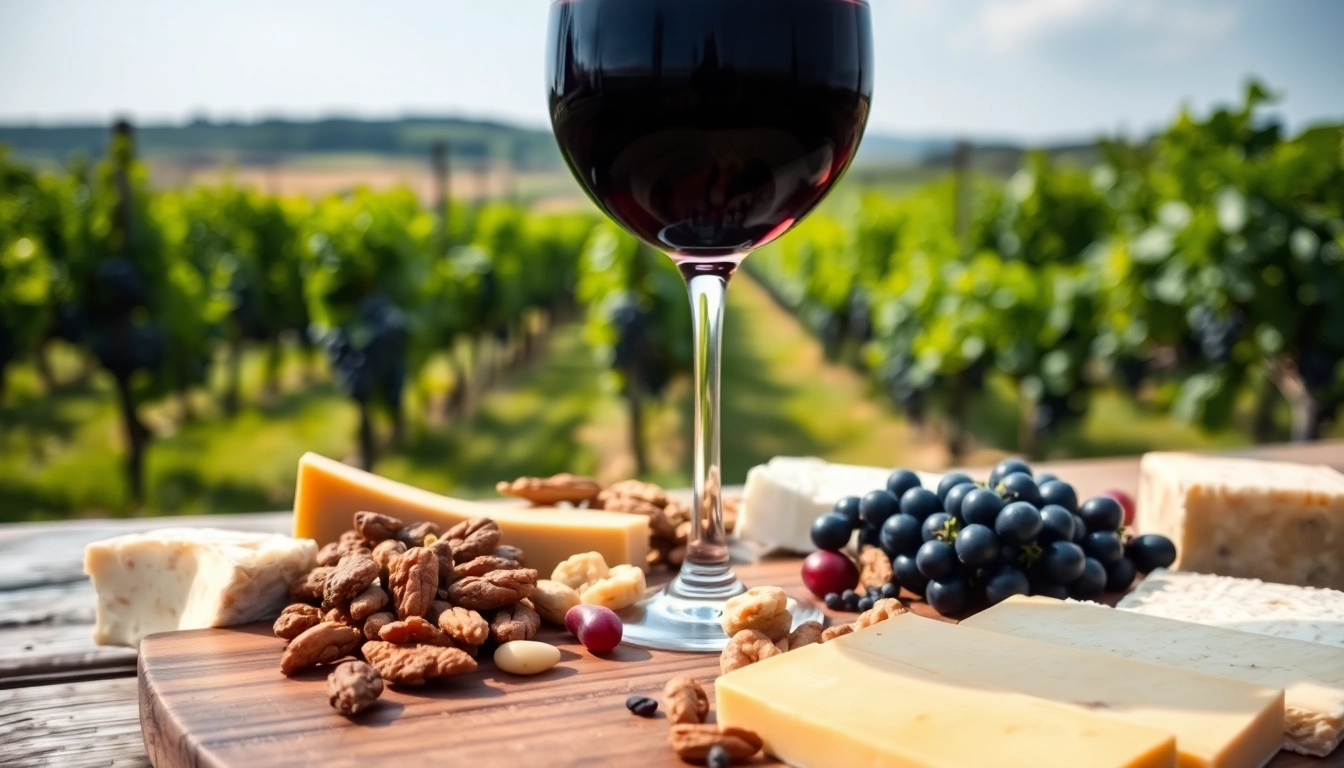
Petite sirah’s bold character makes it an excellent companion for hearty dishes. The intense flavors can stand up to rich and luscious meals such as grilled steaks, braised beef short ribs, and rich lamb dishes. Additionally, it pairs well with duck, roasted game, and even spicy barbecue. For vegetarians, consider pairing it with savory mushroom risottos or hearty lentil stews. Cheese lovers will find that strong cheeses, particularly aged cheddar or blue cheese, create a delightful pairing with the robust nature of petite sirah.
Serving Temperature and Glassware Choices
To fully appreciate the complexity of petite sirah, it is important to serve it at the right temperature. Ideally, this red wine should be served slightly below room temperature, between 60°F and 65°F, which allows its flavors to be expressed fully. Glassware also plays a key role; using a wide-bowled wine glass helps concentrate the aromatic profiles, enhancing the overall tasting experience. The shape of the glass allows for proper aeration, helping to soften the tannins and elevate the wine’s complexity.
Exploring the Regions That Produce Stellar Petite Sirah
Notable Wine Regions for Petite Sirah
The United States, particularly California, is the most prominent region for the production of petite sirah. Within California, specific areas like Napa Valley, Sonoma County, and Paso Robles stand out for their exceptional petite sirah offerings. Each region takes advantage of its unique terroir, which reflects different elements in the final product. Though petite sirah can also be found in other parts of the world, including Australia and Brazil, California remains the crown jewel in terms of quality and recognition.
Differences by Region: Terroir Effects on Flavor
Terroir plays a crucial role in shaping the characteristics of petite sirah from different regions. For instance, petite sirah from Napa Valley may exhibit bolder fruit flavors and a more polished texture due to the warmer climate and affluent soils. Conversely, petite sirah from cooler regions like Sonoma tends to have a more subdued fruit profile, along with elegant acidity and additional herbal notes. This regional variability gives wine lovers the opportunity to explore a wide array of flavor profiles within the same varietal.
Spotlight on Emerging Producers of Petite Sirah
While established wineries dominate the petite sirah scene, several emerging producers are making impressive contributions to the quality and diversity of this grape. Smaller wineries often focus on sustainable practices and meticulous vineyard management, which can lead to distinct and high-quality wines that embody regional character. Prospective wine enthusiasts are encouraged to explore offerings from these boutique producers, as they often present innovative expressions of petite sirah that captivate the palate.
Best Practices for Storing and Aging Petite Sirah
Optimal Aging Conditions for Improved Flavor
Petite sirah is renowned for its aging potential, often developing complex flavors over time. However, to age a bottle successfully, proper storage conditions are vital. Wines should be kept in a cool, dark place with temperatures ranging between 50°F and 55°F. High humidity levels (around 60%-70%) are also advantageous, as they help keep corks moist and prevent oxidation. Additionally, bottles should be stored horizontally to maintain contact between the wine and the cork, ensuring a proper seal and preserving the wine’s integrity.
Common Mistakes in Storing Wine
Despite the intentions, many wine collectors make mistakes in storage that can compromise the quality of wines like petite sirah. Common pitfalls include exposure to direct sunlight, which can lead to premature aging, or storing wine in areas prone to temperature fluctuations, like garages. Additionally, vibrations from nearby appliances can disturb sediment, altering the wine’s character. Avoiding these common errors can significantly enhance the aging process and maintain the wine’s essential qualities for an optimal drinking experience.
How Long Can Petite Sirah Be Aged?
The aging potential of petite sirah largely depends on various factors such as acidity, tannin structure, and storage conditions. Generally, petite sirah can be aged effectively for 5-10 years, and some exceptional bottles may even last longer, developing intricate flavor profiles during that time. Consistent monitoring of the wine is essential; the best judgment often comes from sampling bottles over the years to appreciate the evolution of flavors and aromas as they mature.
Frequently Asked Questions About Petite Sirah
What makes petite sirah different from other wines?
Petite sirah is known for its bold, dark fruit flavors, tannic structure, and rich color, setting it apart from lighter varietals.
Is petite sirah sweet or dry?
Petite sirah is typically a dry red wine, offering a balance of fruity flavors without residual sugar.
What dishes pair best with petite sirah?
Hearty dishes like grilled meats, stews, and strong cheeses complement the robust flavors of petite sirah superbly.
Can petite sirah age well?
Yes, petite sirah can age beautifully, often developing complex flavors over 5-10 years in proper conditions.
How should petite sirah be served?
Serve petite sirah slightly below room temperature, around 65°F, in a wide-bowled glass to enhance aromatic experience.
