

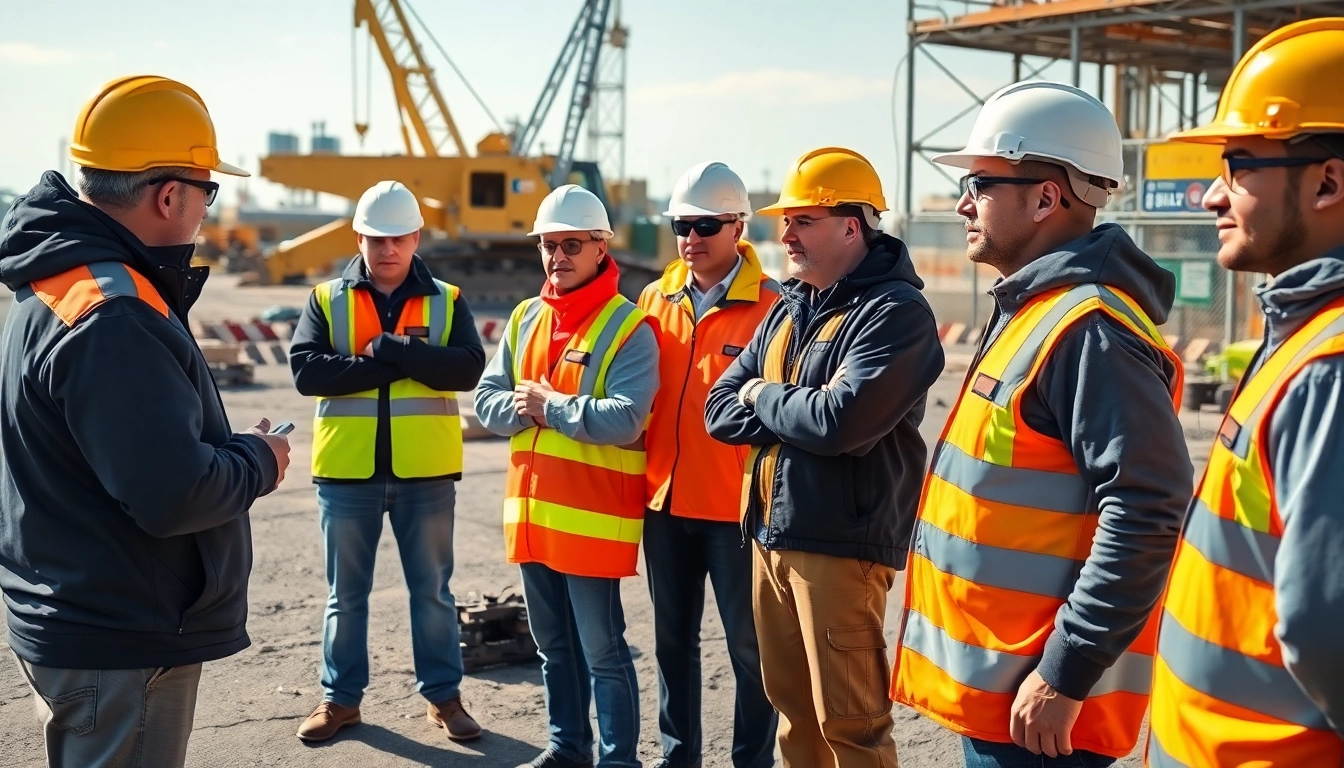
- Understanding the Importance of Construction Site Safety Training
- Key Components of Effective Training Programs
- Challenges in Delivering Construction Site Safety Training
- Best Practices for Construction Site Safety Training
- Future Trends in Construction Site Safety Training
- Frequently Asked Questions
Understanding the Importance of Construction Site Safety Training
In the high-stakes world of construction, ensuring the safety of workers is paramount. With the dynamic and often hazardous nature of construction sites, implementing a robust construction site safety training program is essential. This training not only protects workers but also enhances operational efficiency and compliance with legal regulations. In this article, we will explore the significance of safety training, its key components, the challenges faced in its implementation, best practices, and future trends that are shaping the landscape of construction safety.
Defining Construction Site Safety Training
Construction site safety training refers to a systematic program designed to educate workers on the hazards associated with construction work, preventative measures, and proper safety protocols. This training encompasses a range of topics, including safe operation of machinery, proper use of personal protective equipment (PPE), hazard identification, and emergency response procedures. By empowering workers with knowledge, organizations can significantly reduce the risk of accidents and injuries on construction sites.
Benefits of Safety Training for Workers
Investing in safety training yields numerous benefits for both workers and employers. Key advantages include:
- Increased Safety: Workers who receive comprehensive safety training are better prepared to recognize risks and mitigate accidents.
- Higher Productivity: A safe work environment increases worker morale and productivity, as workers can focus on their tasks without fear of injury.
- Lower Insurance Costs: Companies that prioritize safety training may benefit from reduced insurance premiums due to fewer claims related to workplace injuries.
- Enhanced Reputation: Demonstrating a commitment to safety can improve a company’s reputation, making it more attractive to potential clients and skilled workers.
Legal Requirements for Safety Training
Compliance with legal requirements is a driving force behind safety training initiatives. Various governmental bodies and regulatory agencies set guidelines that organizations must follow to protect their workforce. In many regions, employers are legally obligated to provide safety training, with specific requirements varying by location and type of construction work. Ensuring compliance not only promotes a safer work environment but also helps avoid potential fines and legal repercussions.
Key Components of Effective Training Programs
Creating an effective construction site safety training program involves several key components that guarantee its success and longevity.
Types of Training Methods Used
To accommodate diverse learning styles, organizations employ various training methods, including:
- Classroom Training: Provides foundational knowledge through lectures and discussions led by experienced instructors.
- Hands-On Training: Allows workers to practice safety protocols in real-world scenarios, reinforcing learning through experience.
- Online Courses: Offers flexibility for workers to complete training at their own pace, often incorporating multimedia resources.
- Workplace Simulations: Provides immersive experiences that closely mimic actual construction scenarios to enhance learning retention.
Curriculum Design and Content Development
A well-structured curriculum is vital for effective safety training. This should include:
- Current Regulations: Training content must align with local laws and safety standards.
- Industry-Specific Hazards: Addressing the unique risks associated with different types of construction work is crucial for relevance.
- Skill Refreshers: Incorporating updates and refreshers into the curriculum ensures ongoing knowledge retention and adherence to evolving best practices.
Engaging Training Activities and Techniques
Engagement is key to effective learning. Techniques to enhance engagement include:
- Interactive Workshops: Encourage participation and discussion to foster a collaborative learning environment.
- Multimedia Presentations: Utilize videos, slideshows, and demonstrations to appeal to various learning styles.
- Group Exercises: Promote teamwork through group problem-solving activities based on real-life scenarios.
Challenges in Delivering Construction Site Safety Training
Despite the critical need for safety training, several challenges can impede its effective delivery.
Identifying Common Training Barriers
Common barriers include:
- Time Constraints: Busy project schedules often lead to limited time for training sessions.
- Lack of Resources: Insufficient training materials, facilities, or qualified instructors can hinder effective training.
- Worker Resistance: Some employees may display reluctance to participate in training due to skepticism about its relevance.
Solutions for Overcoming Training Challenges
To effectively overcome these challenges, organizations can take the following actions:
- Integrate Training into Daily Operations: Incorporate brief safety briefings into daily meetings to maximize training time without disrupting workflow.
- Allocate Budget for Training: Investing in training resources underscores the importance of safety within the organization.
- Engage Workers: Involve workers in developing the training program to ensure it is tailored to their needs and fosters buy-in.
Measuring Effectiveness of Safety Training
Evaluating the effectiveness of training programs is crucial to ensuring continuous improvement. Key metrics include:
- Assessment Scores: Pre- and post-training assessments can measure knowledge gains.
- Incident Rates: Analyzing accident and injury rates before and after training provides insight into its impact.
- Feedback Surveys: Collecting participant feedback helps identify areas for improvement in training content and delivery.
Best Practices for Construction Site Safety Training
Implementing best practices ensures that construction site safety training remains effective and relevant to workers.
Integrating Hands-On Training
Incorporating hands-on training experiences allows workers to practice skills in a controlled environment, enhancing their readiness for real-world applications. These simulations can range from operating machinery to responding to emergencies, solidifying the connection between theory and practice.
Continuous Learning and Refresher Courses
Safety training should not be a one-time event. Regular refresher courses and continuous learning opportunities help workers stay updated on new safety regulations, emerging technologies, and evolving best practices. Monthly safety briefings or annual training sessions can keep safety top of mind for all employees.
Incorporating Real-World Scenarios
Utilizing case studies and real-world scenarios in training sessions makes the content relatable and comprehensible. Discussing past incidents or near misses encourages workers to think critically about their actions and the importance of adhering to safety protocols.
Future Trends in Construction Site Safety Training
The construction industry is continually evolving, and so are safety training methodologies. Emerging trends are reshaping how organizations approach safety training.
Utilization of Technology in Training
Advancements in technology are paving the way for innovative training solutions. Virtual reality (VR) and augmented reality (AR) are becoming prominent tools to simulate complex construction environments, allowing workers to practice safety protocols in a risk-free space. Online learning platforms also offer flexibility, enabling workers to access training resources at any time.
Personalized Learning Experiences
Recognizing that learners have diverse needs, the future of training may lean towards personalized learning experiences. Tailoring content to individual preferences and skill levels can enhance engagement and retention, leading to a more knowledgeable workforce.
Emphasis on Mental Health and Wellbeing
As awareness of the mental health conditions affecting workers grows, future safety training will likely incorporate mental health and wellbeing into its framework. Training programs that address stress management, healthy work-life balance, and emotional resilience equip workers with the tools they need to thrive, ultimately contributing to a safer work environment.
Frequently Asked Questions
What is construction site safety training?
Construction site safety training educates workers about safety practices and protocols on job sites to minimize accidents and injuries.
Why is safety training important in construction?
It helps ensure compliance with safety regulations, reduces accidents, and fosters a culture of safety, ultimately protecting workers.
What are common methods for safety training?
Methods include hands-on demonstrations, classroom lectures, e-learning modules, and on-site simulations to ensure comprehensive understanding.
How can training effectiveness be measured?
Effectiveness can be evaluated through assessments, surveys, observation of behavior changes, and tracking incident rates before and after training.
What is the role of technology in safety training?
Technology enhances training by providing virtual simulations, online courses, and easy access to updated safety materials and resources for workers.
